A frightened girl, a careful minister, and the light that held.
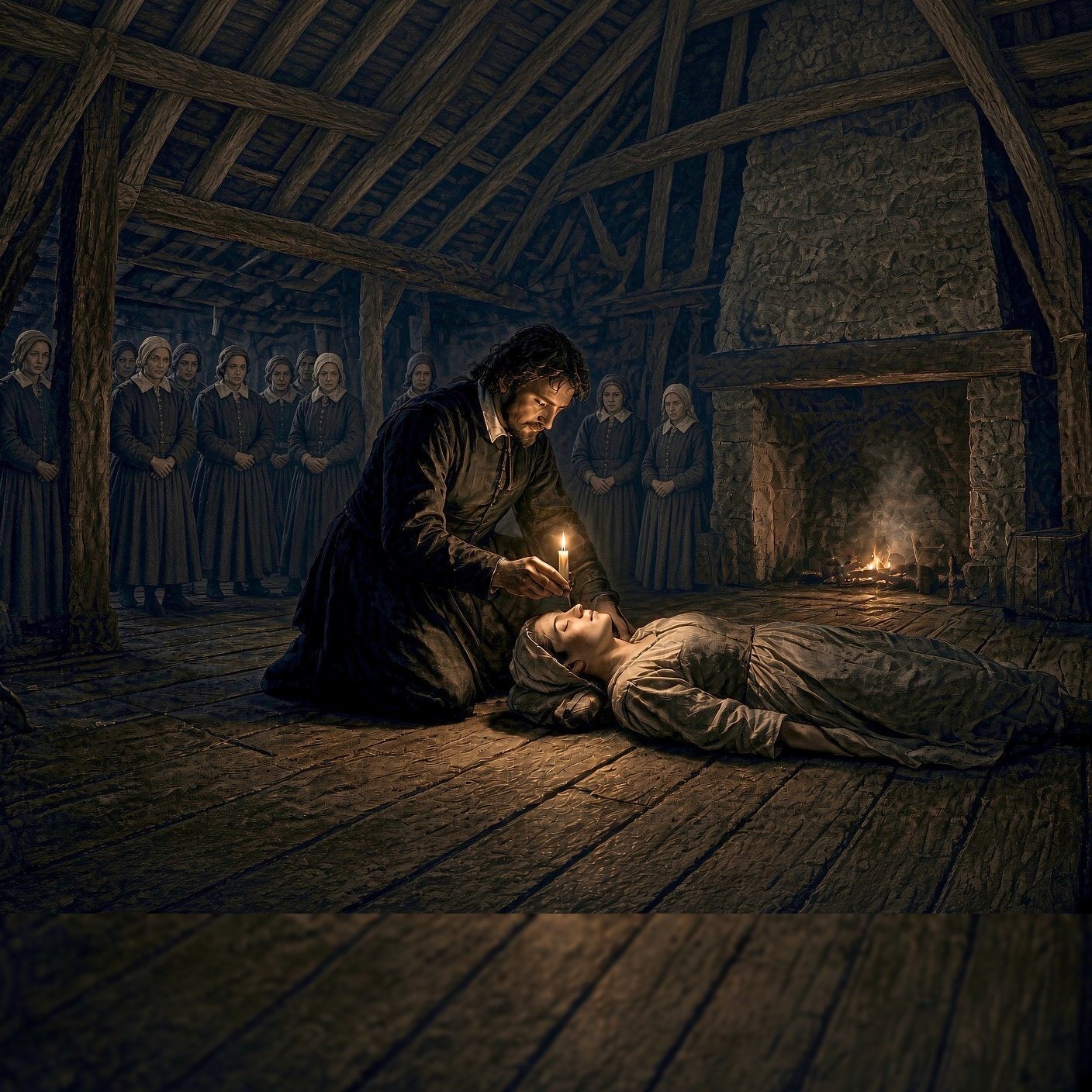
On Monday, October 30, 1671, the night before what we now call Halloween, a sixteen-year-old girl in the frontier town of Groton, Massachusetts, began to complain of strange pains throughout her body. Her name was Elizabeth Knapp. She was a servant in the home of the town’s young minister, Samuel Willard, and what came over her in the weeks that followed became one of the most carefully recorded possession cases in early America.
We know so much because Willard wrote it down, day after day, from that first night into January. The pains turned into violent fits. Elizabeth spoke of the devil as though he stood in the room with her, and at times a voice came out of her that Willard was convinced was not her own. I told her story on Real Ghost Chatter, and it is not a comfortable one.
But two things in that old record stay with me, and neither of them is the darkness.
The first is Elizabeth herself. By her own account, she was urged to harm others, including the Willard family, and she refused. Frightened, sixteen, and gripped by something she could not explain, she still said no. I have always believed that kind of stand matters more than we know, and finding it in a real girl, in a real record three and a half centuries old, moves me.
The second is the man holding the pen. Willard did not leap to the supernatural. He called in a physician more than once and searched for a cure. When Elizabeth’s stories contradicted each other, he noticed and said so. He prayed, he watched, and he wrote down what he saw rather than what fear suggested. Local historians credit him with keeping Groton from the kind of tragedy that swept through Salem twenty years later. When Judge Samuel Sewall later repented of his part in the Salem trials, he brought his confession to Willard.
That is the kind of courage I admire most: steady, careful, and faithful all at once. It isn’t the absence of fear. It’s the refusal to let fear do the thinking.
The darkness was real. It just wasn’t the end of her story.
And here is the part of the story I love best. Elizabeth Knapp survived. In 1674 she married a man named Samuel Scripture. She raised a family. She lived until 1721, nearly fifty years past that October night.
I think about that this time of year, when so much around us leans into fear for its own sake. The darkness in Elizabeth’s story was real; I believe that. But it wasn’t the end of her story, and it isn’t the end of ours. As the Gospel of John puts it, “The light shines in the darkness, and the darkness has not overcome it.”
So this Halloween, if you find yourself drawn to the shadowy stories, as I always am, look for the light in them too. It’s almost always there, if you read to the end.
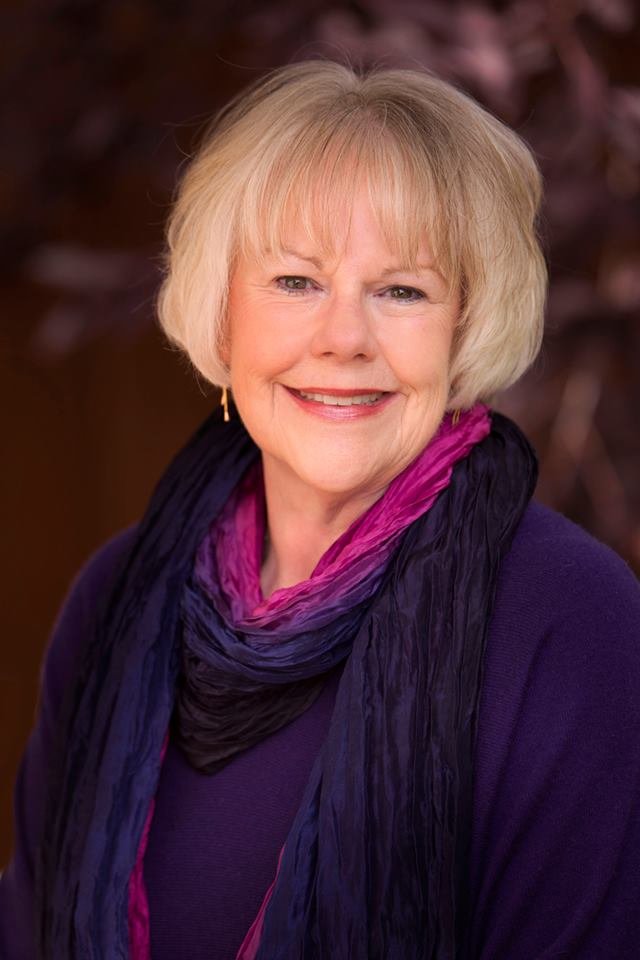
Mary Ann Poll is known as America’s Lady of Supernatural Thrillers. She is the author of the six-book Ravens Cove Iconoclast series and host of the weekly podcast Real Ghost Chatter. After more than forty years in Alaska, she now lives in Texas with her husband, two Shelties, and two tabby cats.