The Enemy Isn’t Next Door
Why fear divides us, and love brings us home. The election is over. For some,
Every year, the clocks fall back, and almost immediately, a collective quiet settles over our evenings. Well, quiet after the confusion. Every household seems to have one clock nobody remembers how to change, usually on the stove or in the car, and it spends the next five months cheerfully lying to everyone.
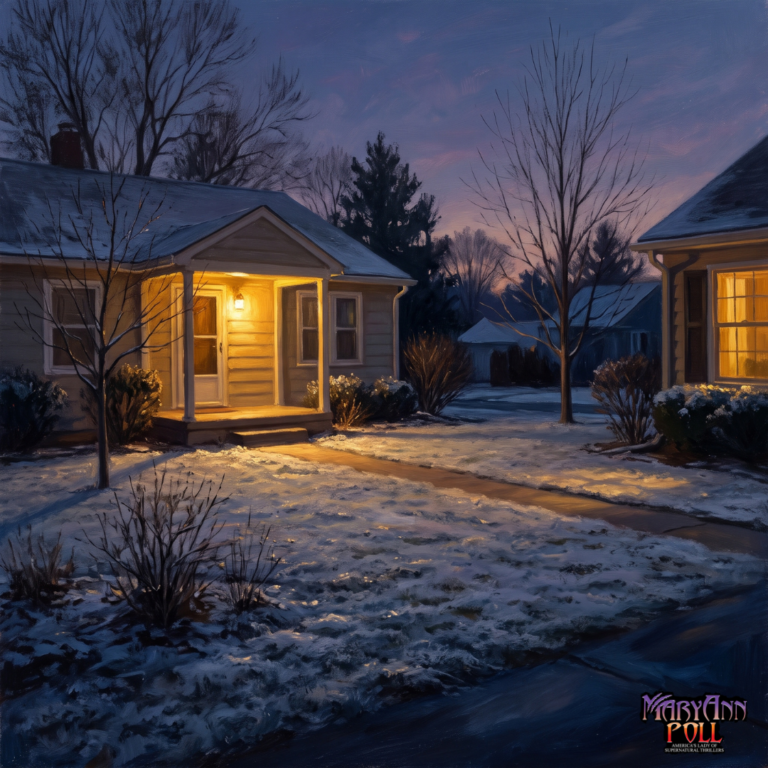
One day, you finish your late afternoon tasks in lingering golden sunlight. The next, you glance out the window at five o’clock and the blue hour has already deepened into night. Dinner hasn’t even started, and the day has already put on its pajamas.
For many of us, that sudden dark brings an unexpected wave of resistance. We look at the black sky, then at our to-do lists, and feel a small prick of guilt. It’s only dinner time, we think. Why does my body feel like it’s time to wind down?
After more than forty years in Alaska, I know a thing or two about early dark. Around midwinter in Anchorage, the sun sets before four. By those standards, a five o’clock Texas sunset is practically a bonus afternoon. But the body doesn’t do comparisons. It only knows the dark came early, and it would like a blanket, please.
We live in a culture that treats energy like an endless summer day. We expect our focus, creativity, and stamina to run on a steady flatline from January through December. When the seasons shift and our rhythm slows, we mistake natural fatigue for personal failure. So we reach for another cup of coffee, flip on the harsh overhead lights, and try to outrun the dusk.
Spoiler: the dusk is undefeated.
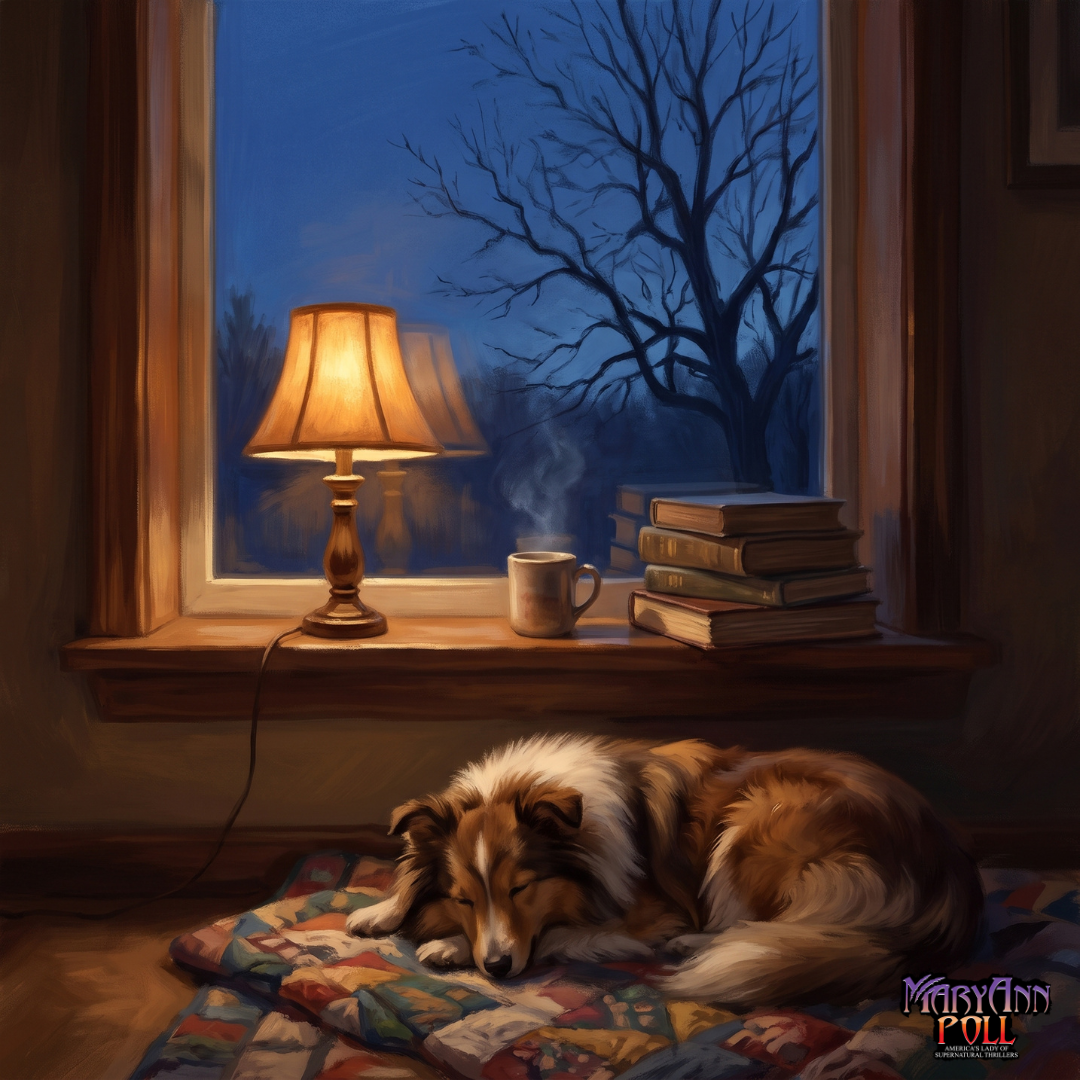
And nature doesn’t apologize for wintering. Neither, I’ve noticed, do our animals. My Sheltie Paden is a world-class clown when he’s awake. When he’s not, he’s busy lying around looking cute, without a shred of guilt. Tessa, one of our tabbies, has long believed the best part of the day starts after everyone else goes to bed. None of them have ever once felt behind schedule.
Look at the trees lining our streets. As the days shrink, they don’t frantically push out new buds to prove their worth. (Can you imagine a maple with a productivity app?) They let their leaves fall to the damp earth and pull their sap down into the roots. A bare winter tree might look barren to an outside observer. In reality, it’s doing the most vital work of its year: quiet, protected conservation. Without that hidden pause, there would be no strength to burst into bloom come spring.
“The early dark isn’t stealing your time. It’s handing you permission to step off the treadmill.”
What if the early dark isn’t an inconvenience to endure, but a boundary drawn on our behalf?
Think of shorter days as shelter. The early dark draws the curtains on the wide, bustling world and invites us inward: close the blinds, switch on a small table lamp, and let the edges of life shrink to something gentle and close to home. There’s something holy about one small lamp holding back the dark. It’s a reminder that even a little light is enough.
The early evening isn’t stealing your productive hours. It’s handing you permission to step off the treadmill. Linger over a warm meal. Open a book without checking the clock. Let the quiet of your home settle into your bones after months of outward momentum.
You are a living, breathing part of creation, not a machine with a power switch. Ecclesiastes had it right: there’s a season for everything, including rest.
So this week, ease your grip on doing it all before the streetlights come on. When dusk arrives early tonight, don’t treat it as proof you’ve run out of time. Treat it as a sanctuary.
Allow yourself the quiet mercy of an earlier sunset. Rest your roots. The world can wait until morning.
And that one clock nobody changed? Let it be wrong a little longer. It’s had a long year too.
Mary Ann Poll is known as America’s Lady of Supernatural Thrillers. She is the author of the six-book Ravens Cove Iconoclast series and host of the weekly podcast Real Ghost Chatter. After more than forty years in Alaska, she now lives in Texas with her husband, two Shelties, and two tabby cats.
Why fear divides us, and love brings us home. The election is over. For some,
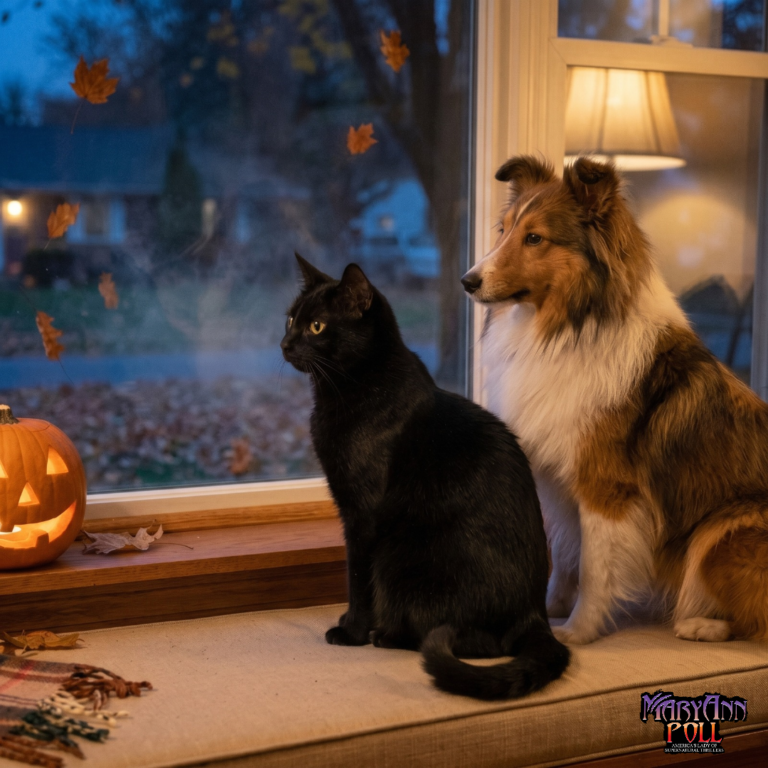
The real animals behind BC and Carnelian. Every Halloween, people cast the black cat as

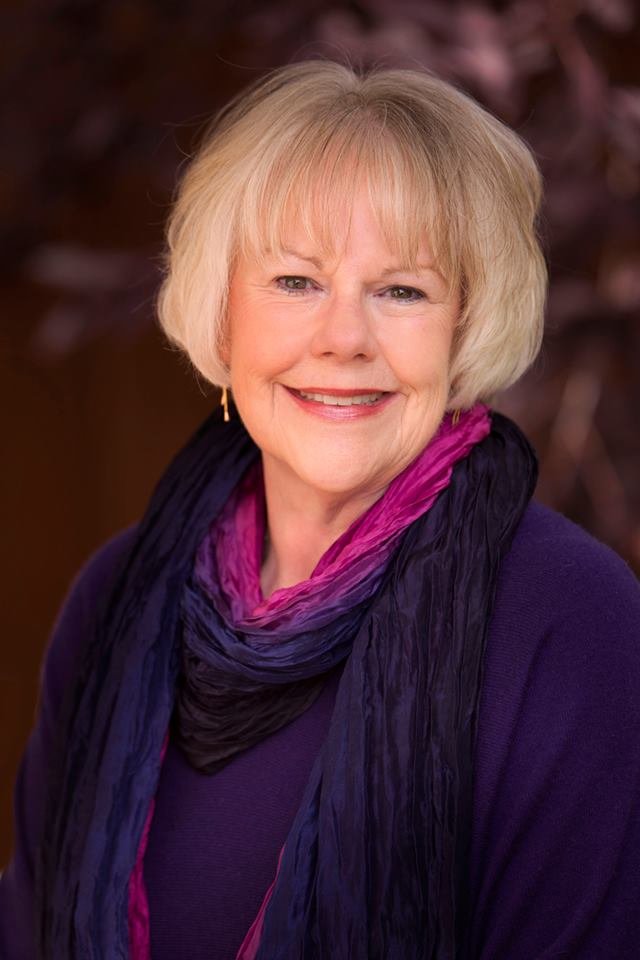
Mary Ann Poll, America’s Lady of Supernatural Thrillers, is the award-winning author of the Ravens Cove series. Born in Texas and shaped by its wide skies and stubborn spirit, Mary Ann called Alaska home for over forty years — and though her boots are back on Texas soil, her heart never left the Last Frontier. That love for both lands breathes through every page — from the sun-baked spirit of Texas to the eerie perpetual light of the Alaskan solstice and the rich traditions of Alaska’s Indigenous peoples.
Her love for a spine-tingling story and her love for Christ come together in her writing. Mary Ann’s own spiritual journey — from a lifelong fascination with the supernatural to a deep and abiding faith — gives her novels their distinctive voice: suspenseful, grounded in real spiritual stakes, and rooted in hope.
When she’s not writing, Mary Ann enjoys gardening, swimming, and time with her beloved family and pets — who have a habit of finding their way into her stories.